

kids swimming lessons near me
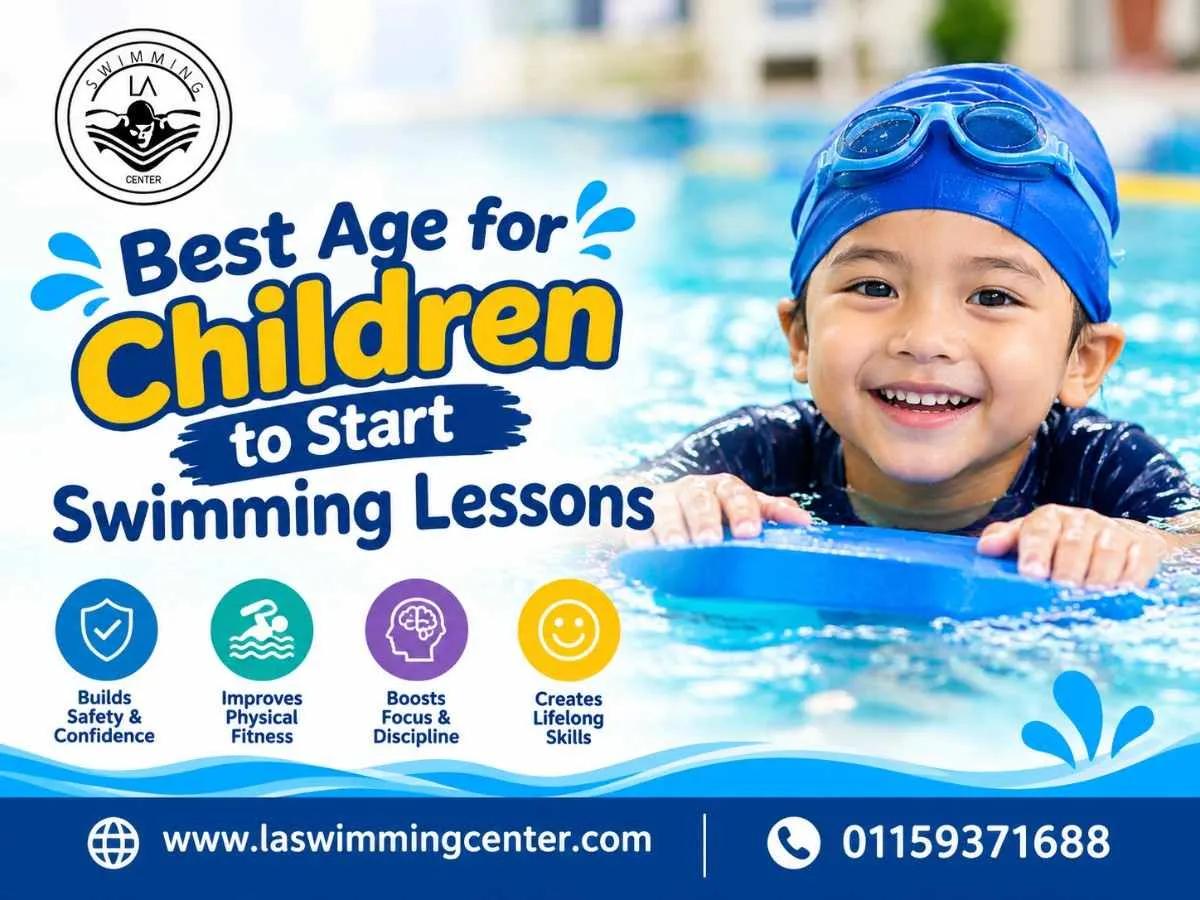
The best age for children to start swimming lessons is generally between 1 and 4 years old, with most experts recommending formal instruction beginning around age 3. However, readiness depends on physical development, comfort in water, and emotional maturity — not just age. Children who begin early build water safety habits and confidence that last a lifetime.
If you've been searching for kids swimming lessons near me, you've probably already asked yourself: "Is my child old enough?" It's one of the most common questions parents have — and the answer is more nuanced than most people expect. Age matters, but it's rarely the only factor worth considering.
Why Starting Age Matters More Than You Think
Water is one of the leading causes of accidental injury and death in young children in the United States. According to the Centers for Disease Control and Prevention (CDC), drowning is the leading cause of unintentional injury death among children aged 1 to 4 in the US. That statistic alone makes the conversation around swimming instruction urgently important for every parent.
But early swimming education isn't just about safety. Children who begin structured water exposure young tend to develop stronger motor coordination, better breath control, and a healthy relationship with physical activity. The earlier those foundations are built, the more naturally they carry forward.
What Do Experts Recommend for Kids Swimming Lessons?
The American Academy of Pediatrics (AAP) updated its guidance in 2023 to recommend that swim lessons can begin for most children starting at age 1. Previously, the AAP held off on recommending lessons until age 4. The shift reflects growing evidence that early aquatic exposure significantly reduces drowning risk.
That said, the AAP is careful to note that swimming lessons do not make any child "drown-proof." Supervision near water remains non-negotiable, regardless of skill level.
Ages 1–3: Water Familiarization, Not Formal Strokes
For children under 3, structured swimming classes focus on water comfort rather than technique. Instructors introduce children to submersion, floating, and breath control in a safe, playful environment. These sessions are typically parent-assisted, which also helps build trust and reduces anxiety.
At this stage, the goal isn't to teach the freestyle stroke. It's to help a toddler feel at home in the water — and to give parents the tools to reinforce those habits during family swim time.
Ages 3–5: When Formal Instruction Really Begins
This is the sweet spot that most swim instructors point to. Children aged 3 to 5 have developed enough cognitive ability to follow multi-step instructions and enough physical coordination to begin learning actual swimming techniques. Most beginner swimming lessons for kids are designed around this developmental window.
By age 4 or 5, many children can begin learning independent floating, basic kicks, arm movements, and even how to safely exit a pool. The transition from "water play" to real skill-building happens quickly at this age when guided by a trained instructor.
Ages 6 and Up: Structured Skill Progression
Children who begin lessons at 6 or older are entirely capable of becoming strong swimmers. They tend to progress through technique milestones faster than younger children, since their motor skills and ability to absorb instruction are more developed. Starting later is never a disadvantage — it simply means a different instructional approach.
How to Tell If Your Child Is Ready — Beyond the Birthday
Age is a starting point, not a rule. Here are the signs that suggest your child is genuinely ready for swimming classes for toddlers or early youth programs:
Comfort around water: Your child shows curiosity rather than fear when near a pool, bathtub, or splash pad.
Basic communication: They can follow simple two or three-step instructions from an adult.
Physical stamina: They can engage in active play for at least 20–30 minutes without becoming easily overwhelmed.
Emotional readiness: They can separate briefly from a parent without significant distress — especially relevant for group lessons.
Bladder control: Many programs require basic potty training for hygienic reasons, particularly in group class settings.
If your child ticks most of these boxes, they're likely ready — regardless of whether they've just turned 3 or are approaching 5.
What If My Child Is Afraid of Water?
Fear of water is more common than most parents realize, and it's not a reason to delay — it's actually a reason to start. Gentle, progressive exposure through structured lessons is one of the most effective ways to reduce aquatic anxiety in young children.
A good swim instructor will never force submersion or push a hesitant child too quickly. The process is gradual: edge sitting, water splashing, instructor-assisted floating, and eventually, independent movement. Patience and positive reinforcement do most of the heavy lifting here.
Parent-Assisted vs. Independent Lessons: Which Is Right?
Lesson Type | Best Age Range | Key Focus | Parent Role
|
|---|---|---|---|
Parent-Child Classes | 6 months – 3 years | Water comfort, bonding, basic safety | In the water, actively assisting |
Beginner Group Lessons | 3–5 years | Basic strokes, floating, pool rules | Observing from poolside |
Progressive Skill Levels | 5 years and up | Technique refinement, endurance, turns | Supportive, minimal involvement |
Parent-assisted programs are particularly valuable in the early years. They not only create a sense of security for the child but give parents direct guidance on how to reinforce water safety at home — something that matters year-round, not just in lessons.
How to Choose the Right Swimming Program for Your Child
Not all swim programs are created equal. When evaluating options for the best age to learn swimming and which program fits that stage, here's what to look for:
Qualified instructors: Look for certifications from recognized bodies such as the American Red Cross or the YMCA Swim Lesson program.
Low student-to-instructor ratios: Smaller classes mean more individual attention — especially important for toddlers and beginners.
Age-specific curriculum: Programs should be structured around developmental stages, not just arbitrarily grouped by age.
Safe, clean facilities: Water temperature, pool depth, and hygiene standards matter significantly for young children.
Positive reinforcement culture: The best programs celebrate progress, however small, and never shame a child for hesitation.
It's also worth observing a class before enrolling your child. Watch how the instructors engage with hesitant children, how they handle transitions between activities, and whether the kids in the water genuinely look engaged.
The Long-Term Benefits of Starting Early
The reasons for teaching children to swim early go far beyond preventing drowning. Research undertaken by the Griffith Institute for Educational Research found that children who participated in early swim programs reached developmental milestones – including language, math and physical development – significantly ahead of their non-swimming peers. Although that study was based in Australia, pediatric health organizations in the US have long been clear that structured physical activity in early childhood leads to measurable developmental gains.
Swimming also builds a compounding skill. A 4-year-old who is comfortable in the water will have a very different relationship with aquatic environments at age 10 than a child who had no such early exposure. Confidence in water is translated to confidence in other physical and social settings.
LA Swimming Center provides families in Los Angeles with organized programs featuring expert-led, age-appropriate aquatic instruction for children at all stages of development, from toddler water familiarization classes to confident, independent swimmer progression.
Frequently Asked Questions
What is the best age to start swimming lessons for kids?
Most experts say to begin swim lessons between ages 1 and 4, and the AAP supports lessons as early as age 1 and up. Younger kids, 3 to 5 years old, tend to respond well to structured instruction because their physical and cognitive development allows them to follow directions and develop basic technique.
Are swimming classes for toddlers under age 3 actually effective?
Yes. Toddler swim lessons are about getting comfortable in the water, breathing control, and basic safety response, not formal strokes. These early sessions, coupled with ongoing parent participation, dramatically decrease fear and establish the groundwork for water safety behaviors that persist into formal lessons later.
How do I know if my child is emotionally ready for swim lessons?
Signs of readiness include a curiosity about water, the ability to follow simple instructions, and the ability to separate from a parent for a short period of time. A child doesn’t have to be fearless, but they should be able to work with an instructor without long-term distress during the session.
What should beginner swimming lessons for kids include?
Good beginner lessons should include water entry and exit, breath control, floating on back and front, basic kicking and arm movements. Safety awareness – such as not running around pools and always swimming with an adult present – should also be taught from the very first lesson.
Is it too late to start swimming lessons if my child is already 7 or 8?
No, not really. Older kids move through the beginner levels faster than toddlers usually. This is because older kids are better able to process and use instruction. It’s good to start at any age, and kids who start at 6, 7 or 8 can still be confident, capable swimsuits with the right program.
How often should young children attend swim lessons to see progress?
2 lessons per week is recommended for most young children to build and retain skills effectively. Consistency trumps intensity — shorter, more frequent sessions beat longer, less frequent ones, particularly for children age 6 and under whose motor learning is heavily repetition-dependent.